En
 English
Get a Quote
En
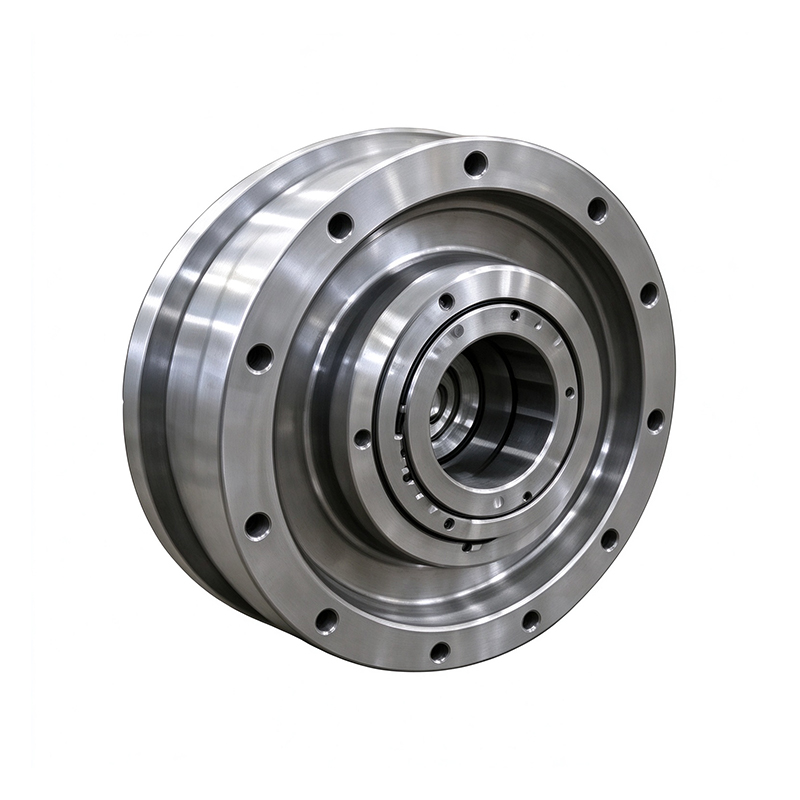
Cast Iron Flywheel is a rotating mechanical component used in press machines, engines, agricultural machinery, and other industrial equipment. Its mass distribution provides rotational inertia for energy storage and helps stabilize speed fluctuations during cyclic operation. The flywheel is manufactured according to customer drawings, 3D models, or physical samples, with gray cast iron grades such as HT200 and HT250 available. Ductile iron can also be considered upon request, subject to technical confirmation. We support OEM manufacturing and ODM development, including casting production, machining, balancing, and customized inspection.
Cast Iron Flywheel is used in industrial machinery, power systems, and equipment requiring rotational energy storage.
Energy Storage and Speed Stabilization
Cast Iron Flywheel stores rotational energy through its moment of inertia. It helps reduce speed fluctuations during intermittent or cyclic operation, supporting more consistent machine operation.
Rotational Inertia
The flywheel's mass distribution, particularly around the outer rim, contributes to rotational inertia. Its diameter, thickness, weight, and structural configuration can be customized according to equipment requirements.
Vibration Damping
Gray cast iron contains flake graphite, which contributes to vibration damping. This material characteristic makes gray cast iron suitable for selected flywheel applications involving rotating machinery and cyclic loads.
Rim, Spoke, and Hub Structure
The casting can incorporate different rim sections, spoke configurations, and central hub structures according to approved drawings. These features are designed to meet the required installation and operating conditions.
Material Options
HT200 and HT250 gray cast iron are available as supplied material options. Ductile iron can be considered upon request, subject to technical confirmation of the required mechanical properties and application conditions.
Machining and Installation Features
Machining can be arranged for the central bore, keyways, mounting holes, and other specified surfaces. Dimensions and tolerances are determined by the approved drawings.
Dynamic Balancing and Quality Inspection
Static or dynamic balancing can be arranged according to the finished flywheel's operating speed and customer acceptance criteria. Dimensional inspection, material verification, and other agreed checks can also be performed.
| Item | Specification |
| Product Name | Cast Iron Flywheel |
| Application | Press machines, engines, agricultural machinery, and industrial equipment |
| Casting Material | HT200 and HT250 gray cast iron |
| Optional Material | Ductile iron, subject to technical confirmation |
| Casting Process | Resin sand casting |
| Design Input | 2D drawings, 3D models, or physical samples |
| Applicable Casting Weight | Up to 35 tons per casting, subject to technical confirmation |
| Applicable Casting Dimensions | Up to 桅2.8 脳 0.9 m |
| Machining | Bore, keyway, mounting holes, and other specified features |
Cast Iron Flywheel can be customized according to customer drawings, 3D models, physical samples, material requirements, and operating conditions. We support OEM casting production and ODM development, including casting structure evaluation, process planning, prototype production, machining, balancing, and quality inspection.
OEM Manufacturing (Based on Drawings or Samples)
Suitable for machinery manufacturers, foundries, and industrial equipment suppliers with established flywheel designs that require customized casting production.
ODM Development (Design and Product Development)
Suitable for new machinery projects, equipment upgrades, and customized flywheel designs requiring development support.
| Customization Item | Available Options |
| Casting Material | HT200 and HT250 gray cast iron; ductile iron subject to technical confirmation |
| Casting Dimensions | Outer diameter, thickness, hub dimensions, and overall casting weight according to drawings |
| Rim Structure | Rim section dimensions and configuration according to approved designs |
| Spoke Configuration | Spoke quantity, shape, and structural arrangement according to drawings |
| Hub Structure | Central hub geometry and mounting configuration |
| Machining | Bore, keyway, mounting holes, and other specified surfaces |
| Heat Treatment | Stress-relief treatment according to project requirements |
| Balancing | Static or dynamic balancing according to operating conditions and acceptance criteria |
| Identification | Customer identification marks, model numbers, and project references |
| Inspection | Dimensional inspection, material verification, and other agreed checks |
Customization Process
Requirement discussion → Drawing and parameter confirmation → Casting structure and process evaluation → Quotation → Pattern preparation → Casting production → Stress-relief treatment when required → Precision machining → Balancing and quality inspection → Sample approval where required → Batch production → Rust protection → Reinforced packaging → Shipment.
Delivery and After-Sales Support
| Item | Details |
| MOQ | Small trial orders are accepted |
| Lead Time | Approx. 65 days for large castings and 40 days for small castings. Actual timing is subject to order specifications and confirmation |
| Shipping | Overseas transit time depends on the voyage and customs clearance |
| Trade Terms | FOB Ningbo, Zhejiang. CIF quotations are available upon request |
| Samples | OEM/ODM samples can be produced from drawings or physical samples. Stock sample availability depends on the requested part |
| OEM/ODM | Drawing-based manufacturing and customized product development |
Q1: What is a Cast Iron Flywheel?
Cast Iron Flywheel is a rotating mechanical component that stores rotational energy through its moment of inertia. It is used in press machines, engines, and other industrial equipment to help reduce speed fluctuations during cyclic operation.
Q2: Which materials can be used for cast iron flywheels?
The supplied material options include HT200 and HT250 gray cast iron. Ductile iron can also be considered upon request, subject to technical review and confirmation of the required mechanical properties.
Q3: Can you manufacture flywheel castings according to customer drawings?
Yes. OEM production can be arranged based on 2D drawings, 3D models, or physical samples. Rim structure, spoke configuration, hub dimensions, material, machining requirements, and inspection criteria are reviewed before production.
Q4: What is the maximum casting size and weight?
The supplied reference specification indicates a casting weight of up to 35 tons per piece and dimensions of up to Φ2.8 × 0.9 m. Actual production feasibility depends on the approved drawings and manufacturing requirements.
Q5: Can you provide machining and balancing services for cast iron flywheels?
Machining can be arranged for bores, keyways, mounting holes, and other specified surfaces. Static or dynamic balancing can also be arranged according to the finished flywheel's operating speed and customer acceptance criteria. Please provide the relevant technical requirements when requesting a quotation for Cast Iron Flywheel.
Hot Products
Explore Hot Selling Products
About Xinwei
Experience And Reliability In Ductile
Iron & Gray Iron Castings
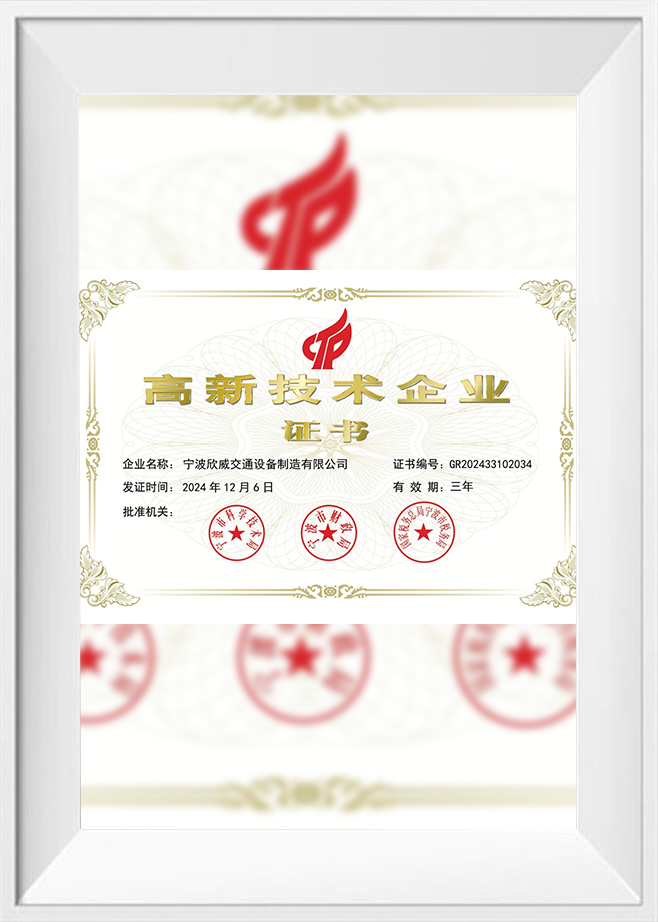
Founded in 1999, Xinwei specializes in the R&D and manufacturing of ductile iron and gray iron castings. With over two decades of industry experience, the company has built an integrated production system covering casting, machining, and quality control.
Backed by an annual production capacity of 25,000 tons and extensive experience in large casting fabrication, we are capable of producing castings ranging from 50 kg to 25 tons. We have long served the injection molding machine, machine tool, and industrial equipment sectors, delivering reliable customized cast iron solutions for customers.

News & Blogs
Provide You With The Latest News
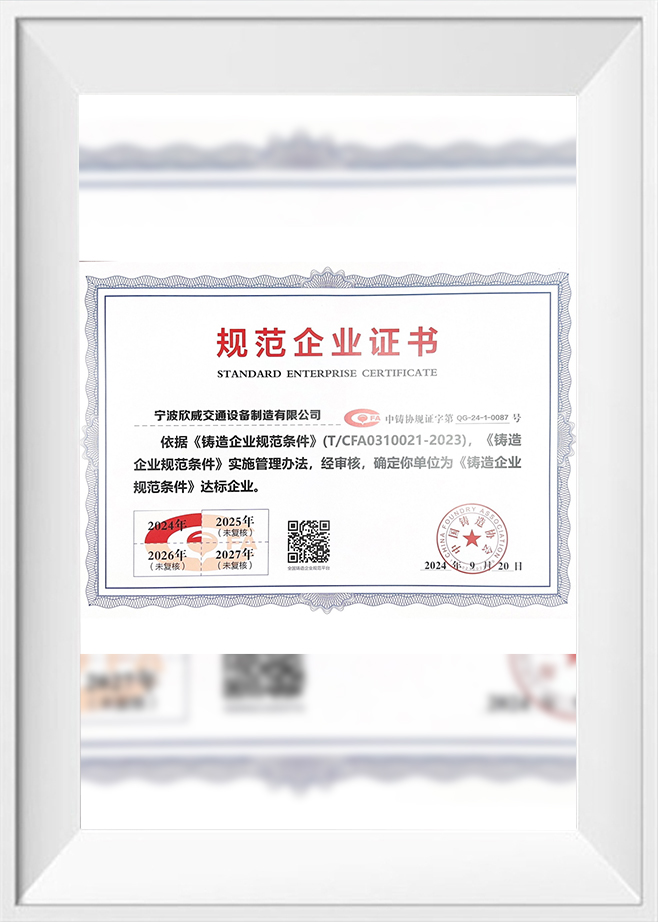

Can Supply Mature And Stable Products.
TEL: +86-574-86156740
E-mail: gina_gu@xinweifoundry.com
E-mail: junweigu116@xinweifoundry.com
No. 528 Anju Road, Xiaogang Street, Beilun District, Ningbo City, China