
En
 English
Get a Quote
En
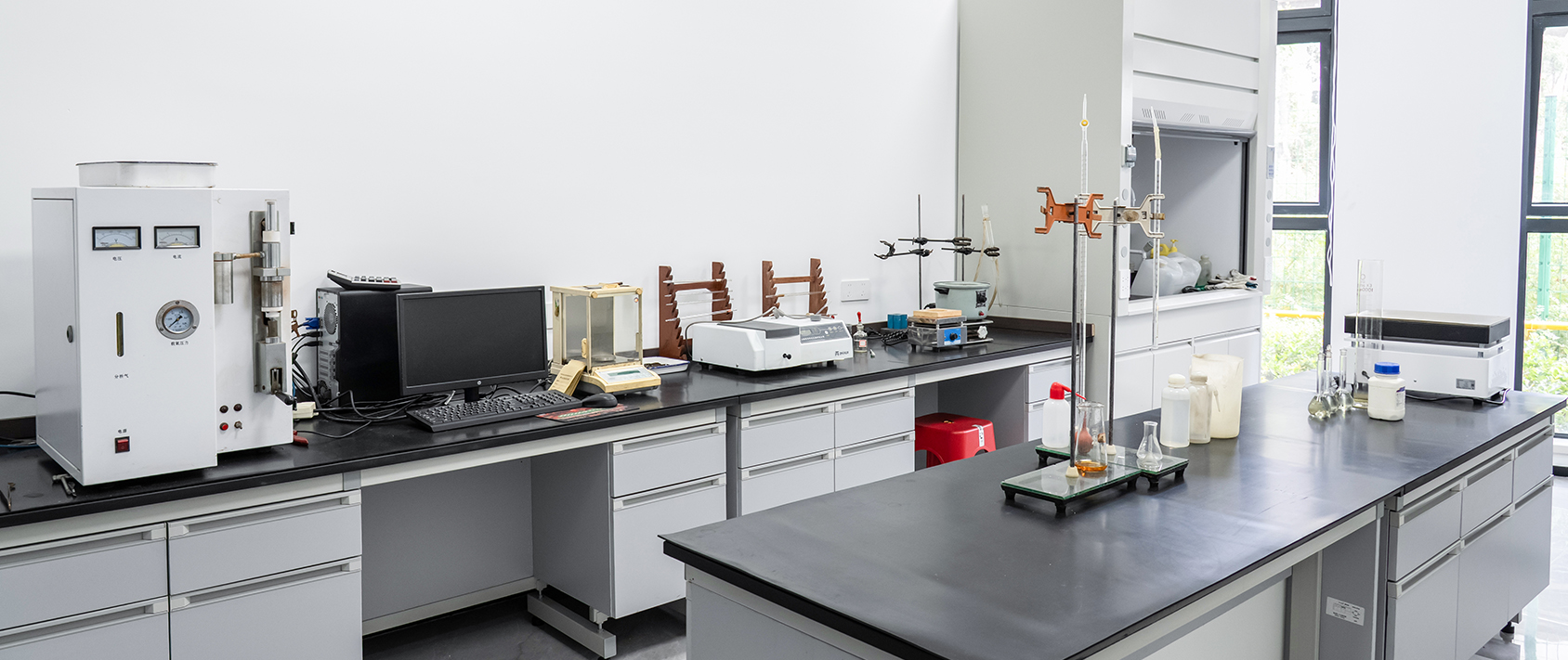
All raw materials entering production are inspected in accordance with internal standards, including pig iron, scrap steel, alloy materials, nodulizers, inoculants, resin, molding sand and other auxiliary materials. Laboratory testing equipment is used to analyze material properties and chemical composition to ensure all incoming materials meet casting production requirements.
During production, we conduct regular inspections of molding sand and molding mixtures. Relevant equipment is used to control parameters such as sand grain performance, strength, permeability, and moisture content to guarantee stable sand quality. Meanwhile, molds, cores, and gating systems are checked during the process to reduce risks of casting defects, including blowholes, slag inclusions, and shrinkage porosity.
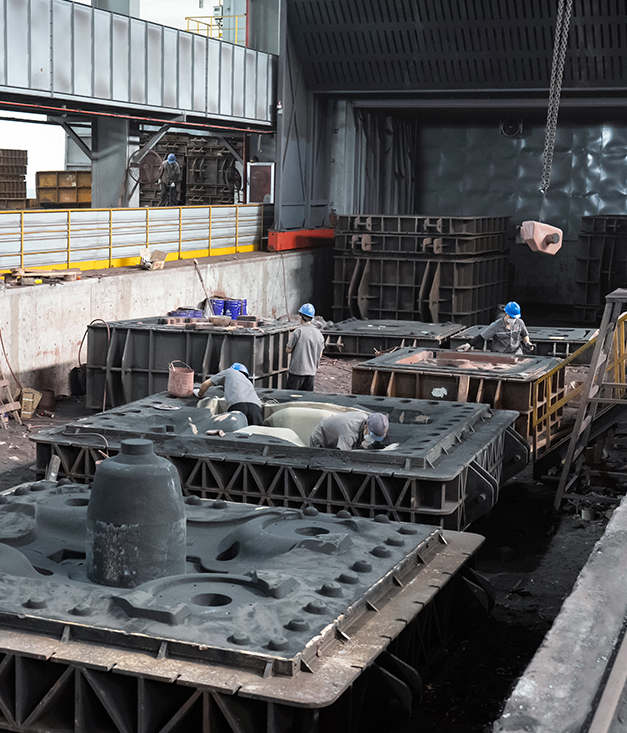
Strict management is applied to casting molds, core assembly, pouring and cooling processes according to product structure, weight and customer technical specifications. Before casting shakeout, the cooling status is controlled as required by the process to ensure the internal microstructure and surface quality of castings meet requirements.
Chemical composition inspection is carried out for each batch of cast iron before pouring. A SPECTRO M.01 spectrometer is used to analyze major elements including C, Si, Mn, P, S, as well as Mg for ductile cast iron. All test data are recorded and archived to realize traceability of the production process.
Professional temperature-measuring equipment is used to test the temperature of molten iron. The melting temperature, treatment temperature, and pouring temperature are fully controlled throughout the whole process to ensure stable casting processes.
For ductile cast iron production, we implement strict management of the nodulizing treatment process. The graphite morphology, nodularity, and metallographic structure are inspected to guarantee ductile cast iron with excellent strength, toughness, and stability.
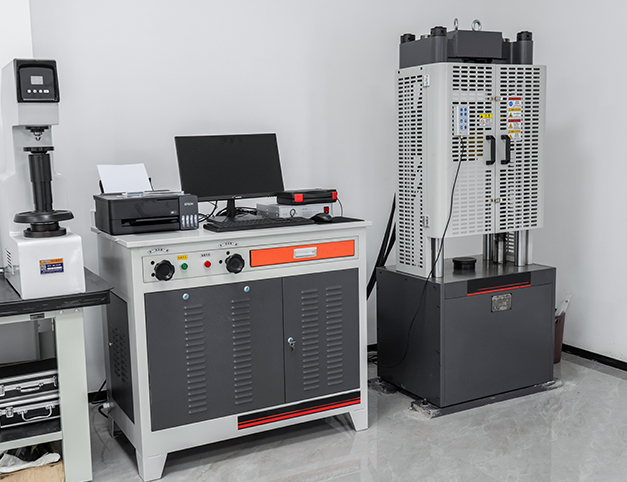
Test specimens of each cast iron batch are examined in compliance with standard requirements to verify material performance. Test items include tensile strength, elongation, yield strength, and hardness. Testing equipment includes: tensile testing machine, sand tensile tester; hardness testing equipment: Brinell hardness tester, ultrasonic flaw detector.
Chemical composition inspection is carried out for each batch of cast iron before pouring. A SPECTRO M.01 spectrometer is used to analyze major elements including C, Si, Mn, P, S, as well as Mg for ductile cast iron. All test data are recorded and archived to realize traceability of the production process.
Professional temperature-measuring equipment is used to test the temperature of molten iron. The melting temperature, treatment temperature, and pouring temperature are fully controlled throughout the whole process to ensure stable casting processes.
For ductile cast iron production, we implement strict management of the nodulizing treatment process. The graphite morphology, nodularity, and metallographic structure are inspected to guarantee ductile cast iron with excellent strength, toughness, and stability.
Test specimens of each cast iron batch are examined in compliance with standard requirements to verify material performance. Test items include tensile strength, elongation, yield strength, and hardness. Testing equipment includes: tensile testing machine, sand tensile tester; hardness testing equipment: Brinell hardness tester, ultrasonic flaw detector.

Can Supply Mature And Stable Products.
TEL: +86-574-86156740
E-mail: gina_gu@xinweifoundry.com
E-mail: junweigu116@xinweifoundry.com
No. 528 Anju Road, Xiaogang Street, Beilun District, Ningbo City, China


